Where to Start With Noir Fiction: A Beginner's Reading Path
The easiest way to start reading noir is to pick one short, fast classic, then one modern book with the same mood, and only then go deeper into the darker corners of the genre. A practical first pair: James M. Cain’s The Postman Always Rings Twice for the classic voice, and a quick modern thriller such as The Wrong Envelope to see how the same ingredients work at today’s pace. After that, follow whichever thread you liked most: detectives, doomed schemers or revenge.
Disclosure: This site belongs to E. L. Chase, whose novels are featured here, whose novels appear in this guide. The classic and modern authors named alongside them are included because they are standard starting points for the genre, not because of any connection to us.
What is noir fiction, in one paragraph?
Noir is crime fiction told from inside the trouble. The main character is usually not a polished hero but a gambler, a drifter, a tired investigator or an ordinary person who makes one bad choice. The world is corrupt, desire and money push people into mistakes, and the ending rarely lets anyone walk away clean. If you want the longer version, including how noir differs from its close cousin, read our explainer on hardboiled vs noir.
Why do so many beginners bounce off noir?
Mostly because they start in the wrong place. Three common traps:
- Starting with the densest classic. Some celebrated noir novels have tangled plots that even fans find hard to follow. A first book should be readable in a few sittings.
- Expecting a mystery puzzle. Noir is less about clues and more about character and consequence. If you want a fair-play whodunit, you will be frustrated.
- Expecting a happy ending. Noir often ends with a loss. That is the point, not a flaw.
Go in expecting mood, momentum and a bruised ending, and the genre opens up quickly.
What is a good reading path for a noir beginner?
Here is a five-step path. You can stop at any step and still have a solid sense of the genre.
- Start with a short classic told by the person who did it. James M. Cain’s The Postman Always Rings Twice is compact and narrated by a man inside the crime. It shows you the core noir engine in a single short book.
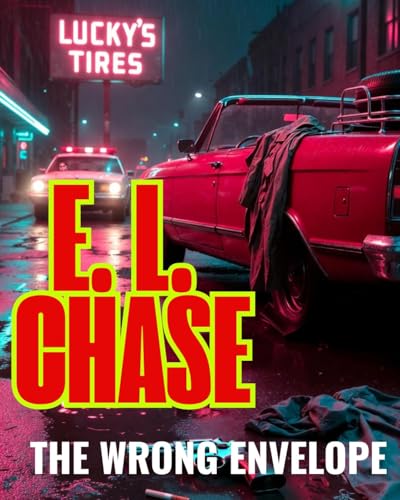
- Try one modern book with the same engine. The Wrong Envelope is pitched as “classic noir with a modern pace”: Ray Collier grabs the wrong briefcase on the 6:15 from Grand Central, finds diamonds and a Polaroid of a dead girl inside, and has six hours. It is a clean introduction to the wrong-man, ticking-clock side of the genre.
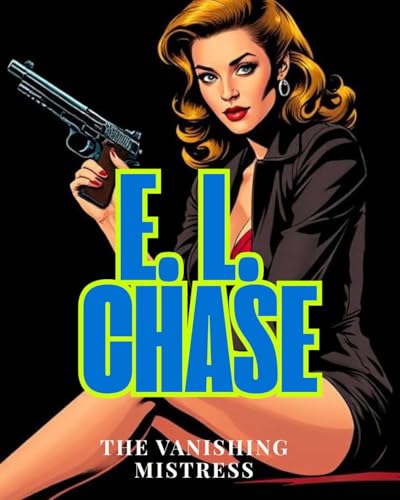
- Meet the private eye. Read Dashiell Hammett’s The Maltese Falcon or Raymond Chandler’s The Big Sleep, the books that defined the tough investigator. If you like the detective thread, The Vanishing Mistress follows Eddie Crane, an ex-cop turned private eye, through a stolen-drive, crime-lord game, with a femme fatale named Rita who keeps vanishing.
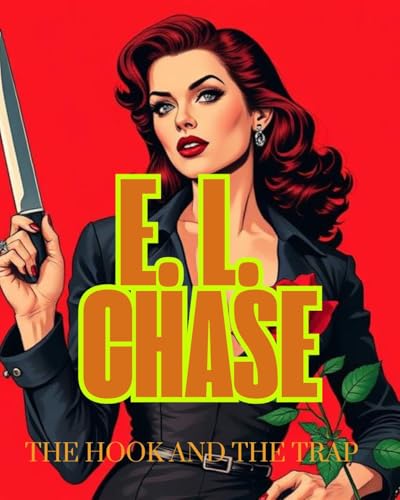
- Go darker with the antihero. Jim Thompson’s The Killer Inside Me and Patricia Highsmith’s The Talented Mr. Ripley put you inside a criminal’s head. For a faster modern take on the loser-antihero, The Hook and The Trap centers on Frankie, a gambler who is “not a hero and not even a good man,” in a bullet-paced noir about consequence.
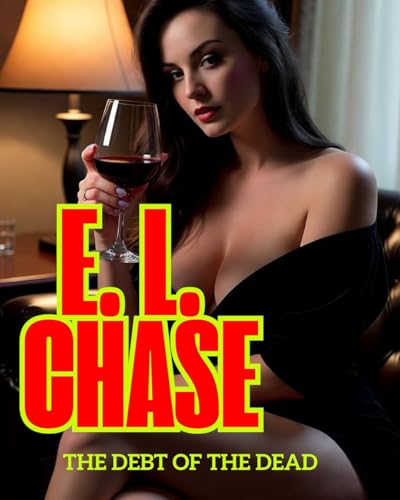
- Branch into modern noir. Walter Mosley’s Devil in a Blue Dress, Dennis Lehane’s Mystic River and Megan Abbott’s Queenpin each show how later writers reshaped the form. If revenge is your thread, The Debt of the Dead follows Joe Kowalski, who “should have stayed dead the first time,” hunted by the last vulture of a fallen crime empire.
How do the starting points compare?
| Step | Classic option | Modern option on this site | What it teaches you |
|---|---|---|---|
| 1-2. The noir engine | The Postman Always Rings Twice (Cain) | The Wrong Envelope | Ordinary person, bad choice, rising pressure |
| 3. The private eye | The Maltese Falcon (Hammett), The Big Sleep (Chandler) | The Vanishing Mistress | The investigator in a corrupt city |
| 4. The antihero | The Killer Inside Me (Thompson) | The Hook and The Trap | Living inside a bad man’s choices |
| 5. Revenge and fallout | Mystic River (Lehane) | The Debt of the Dead | Guilt, survival and the cost of the past |
The classics column gives you the vocabulary. The modern column shows the same ideas with shorter chapters and less period slang, which some new readers find easier.
Should I read classic or modern noir first?
Either works, and it depends on how you read. If you enjoy older prose and period detail, start with the classics and treat the modern books as a change of pace. If older dialogue tends to slow you down, start modern, get comfortable with the conventions, and then go back. The genre’s ideas are consistent enough that you will recognize them either way.
A useful habit is alternating: one classic, one modern, one classic. The contrast makes each book easier to appreciate, and you will start noticing which ingredients you like most.
Which noir themes should I look for as a beginner?
Knowing the recurring pieces helps you choose your next book:
- The femme fatale, a dangerous, often misunderstood woman at the center of the trouble. See our femme fatale crime novels guide.
- The wrong man, an ordinary person caught in something too big for him.
- The private eye, the tough investigator with a personal code.
- The doomed scheme, a plan that looks clever until it isn’t.
- The city, rain, neon, docks and bars that feel as corrupt as the people.
If one theme grabs you, search for books built around it. That’s faster than working through a “greatest of all time” list in order.
What if I loved a Chandler-style detective?
Then you have found your lane. Our guide to noir books like Raymond Chandler for modern readers goes deeper into first-person, private-eye noir and the books that share its ingredients.
FAQ
What is the best first noir novel?
There is no single right answer, but a short, first-person classic like The Postman Always Rings Twice is a reliable start because it shows the whole noir engine quickly. For a modern first read, The Wrong Envelope is built around one day and one bad decision.
Is noir the same as a mystery?
No. A mystery is usually about solving a puzzle. Noir is about character, temptation and consequence, and it may or may not include a detective.
Is noir fiction very violent?
It varies. Many noir novels involve murder and threat, but the focus is usually on tension and moral pressure rather than gore. Check content notes on individual books if violence is a concern.
Do I need to read the E. L. Chase books in order?
This guide doesn’t know of a required reading order. Each book has its own premise, so pick by mood. You can browse the full E. L. Chase catalog to compare them.