Ticking Clock Thrillers: Crime Novels That Race Against Time
The best ticking clock thrillers give the hero a deadline, a threat and no time to think. The Wrong Envelope is the purest example here: Ray Collier grabs the wrong briefcase on the 6:15 from Grand Central and has six hours. The Midnight Ferry does the same trick in a confined space.
This guide covers what makes a countdown plot work and how these E. L. Chase novels use pressure.
What makes a ticking clock thriller work?
The deadline must be clear, the stakes personal and the hero underprepared. Ordinary people work best, because the reader shares their disadvantage. A good clock also shrinks the story: fewer locations, fewer hours and choices that cannot be undone.
Noir adds a second clock. The hero is racing an outside deadline while also discovering that the people helping him are not what they seem.
Which E. L. Chase novels use a deadline?
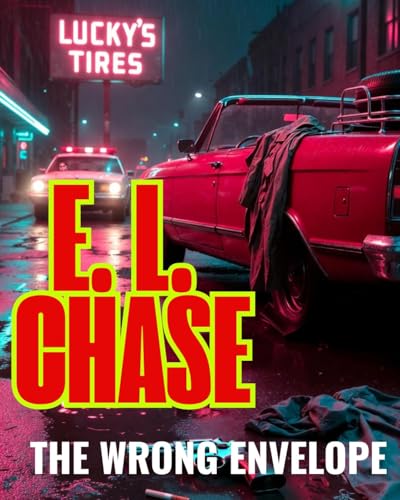
The Wrong Envelope is the clearest countdown. Ray Collier takes a tan briefcase that is not his. Inside are diamonds and a Polaroid of a dead girl. A payphone rings with a deadline and a threat, and across one long day in the city Ray goes from ordinary to hunted. Its tropes are ordinary man in over his head, ticking clock, mistaken briefcase, femme fatale and twist ending.
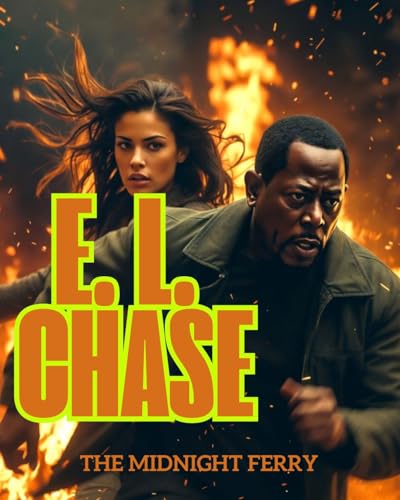
The Midnight Ferry keeps the action aboard a single ship. Cal Rourke took a hundred-dollar bribe from a woman in gloves, and something aboard can burn everyone. The captain runs the ship like a prison, and something has been planted below deck. The tropes include confined setting, smuggling and trust or die.
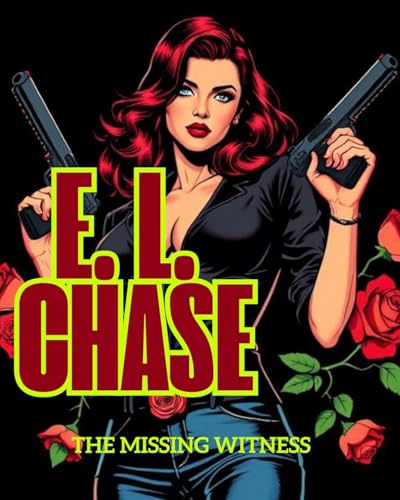
The Missing Witness is a chase from the first page. Eddie Malone survives a junkyard blaze with a ledger everyone wants. The tropes are chase thriller, stolen ledger and double-cross.
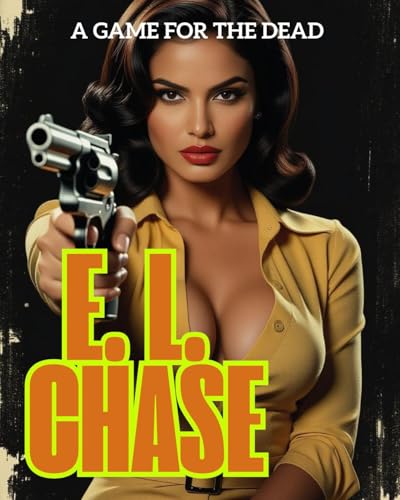
A Game For The Dead is a manhunt. James Harlan inherits a ledger and a network watches his every move, in a cat-and-mouse chase through forests, abandoned cabins and industrial mazes.
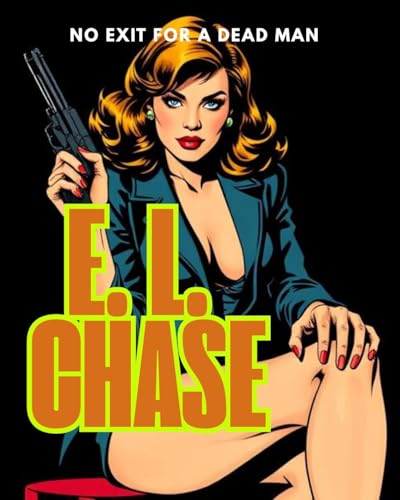
No Exit for a Dead Man is a long clock. Tommy steals a flash drive holding a crime boss’s empire and hands it to the FBI, then has to survive in witness protection while Kane’s people close in.
How do the countdown books compare?
| Novel | Setup in eight words | Trope | Length feel |
|---|---|---|---|
| The Wrong Envelope | Wrong briefcase gives commuter six hours to survive | Ticking clock | Single-day urgency |
| The Midnight Ferry | Cargo runner takes bribe, finds dangerous secret | Confined setting | Short, sharp read |
| The Missing Witness | Card-sharp flees fire holding syndicate’s ledger | Chase thriller | Fast, one-sitting pace |
| A Game For The Dead | Orphan hunted after inheriting father’s ledger | Hunter versus prey | Relentless cat-and-mouse chase |
| No Exit for a Dead Man | Thief hands crime boss’s drive to FBI | Witness protection | On-the-run pace |
Are these books good for reading in one go?
The Wrong Envelope and The Midnight Ferry are natural fits, since their structure is compact. The Missing Witness is tagged for fast one-sitting thrillers, and The Midnight Ferry is tagged for short, sharp reads. This guide does not give page counts because none are listed.
What is the difference between a chase and a countdown?
A chase has a pursuer. A countdown has a date. Some stories have both. The Wrong Envelope has an explicit deadline. The Missing Witness and A Game For The Dead are pursuit stories where the danger never lets up. No Exit for a Dead Man stretches the pressure over a longer stretch of hiding.
Which one should I read first?
For a literal countdown, read The Wrong Envelope. For claustrophobia, read The Midnight Ferry. For a chase, read The Missing Witness. Several of these belong to the High Velocity Crime series, and The Midnight Ferry is a standalone, but this guide claims no reading order.
Why do ordinary heroes work in countdown stories?
An ordinary hero has no training, no backup and no plan, so every decision costs him. Ray Collier in The Wrong Envelope is a hungover commuter, and that gap between his skills and his situation drives the tension. Readers see the world through his confusion and learn who his allies really are at the same speed he does.
Does a confined setting help the tension?
Yes. When a character cannot leave, the threat comes to him. The Midnight Ferry uses that principle, with a captain who runs the ship like a prison, a woman on the run and something planted below deck. Trust becomes the main currency, and the trope list even names it: trust or die.
FAQ
What is the best ticking clock thriller in this list?
The Wrong Envelope, because its whole premise is a deadline: six hours, one briefcase and a threat.
Are these thrillers available on Kindle Unlimited?
Yes. Each is enrolled in Kindle Unlimited, so members can read them at no extra cost, and each is a Kindle eBook on Amazon US and Amazon UK.
Do these books have twists?
The Wrong Envelope is tagged with a twist ending. This guide will not spoil it or any other.
Which one is the most claustrophobic?
The Midnight Ferry, tagged for claustrophobic thrillers and set aboard a ferry.
Keep the pace going
Browse the full E. L. Chase catalog for more crime fiction that never slows down.